Amniotic Fluid Leaking Early Pregnancy All Available Content & Media #755
Unlock Now amniotic fluid leaking early pregnancy VIP online playback. Complimentary access on our content hub. Become one with the story in a great variety of films made available in top-notch resolution, a dream come true for prime viewing lovers. With trending videos, you’ll always be ahead of the curve. Reveal amniotic fluid leaking early pregnancy curated streaming in high-fidelity visuals for a totally unforgettable journey. Register for our viewing community today to experience VIP high-quality content with no payment needed, registration not required. Get access to new content all the time and uncover a galaxy of groundbreaking original content tailored for choice media enthusiasts. Be certain to experience never-before-seen footage—begin instant download! Enjoy the finest of amniotic fluid leaking early pregnancy unique creator videos with stunning clarity and members-only picks.
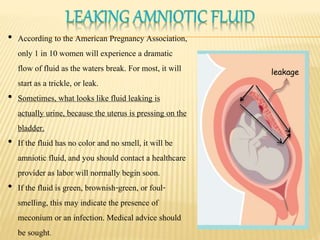
Learn about leaking amniotic fluid during pregnancy, what it feels like, its causes, and when to seek care. The symptoms of infection are: Leaking amniotic fluid may be dangerous for you and your baby if it happens too early in pregnancy
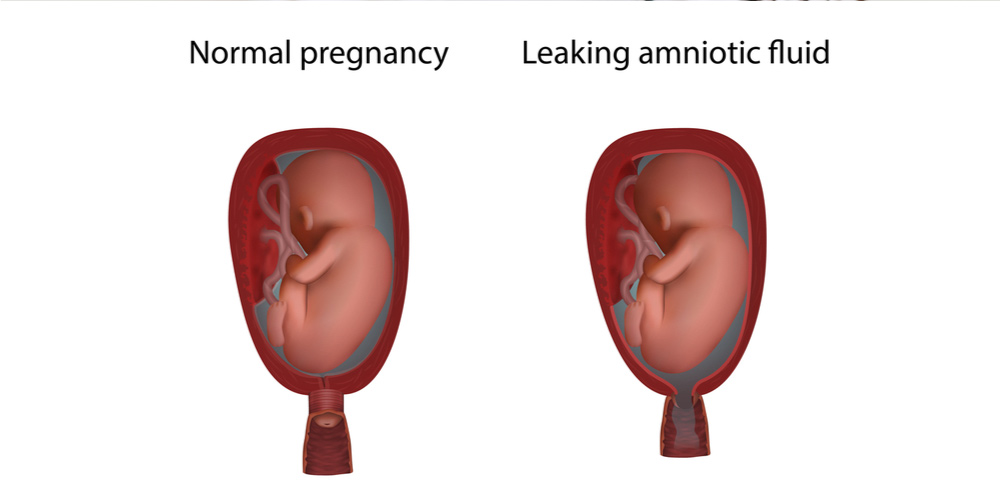
Leaking amniotic fluid, illustration Stock Photo - Alamy
If you are at term, it can also be a problem if you do not start labor after rupture. This can cause you to go into labour early or cause you or your baby to get sepsis Learn the signs, symptoms, and causes of amniotic fluid leaks during pregnancy
Find out when to seek help and what steps to take for a safer delivery.
A clear and odorless fluid coming from the vagina during pregnancy could be leaking amniotic fluid Learn about the signs of leaking amniotic fluid. Pregnant moms can learn to spot clear, odorless leaks that signal an amniotic fluid leak Learn causes, signs, and care tips for a healthier pregnancy.
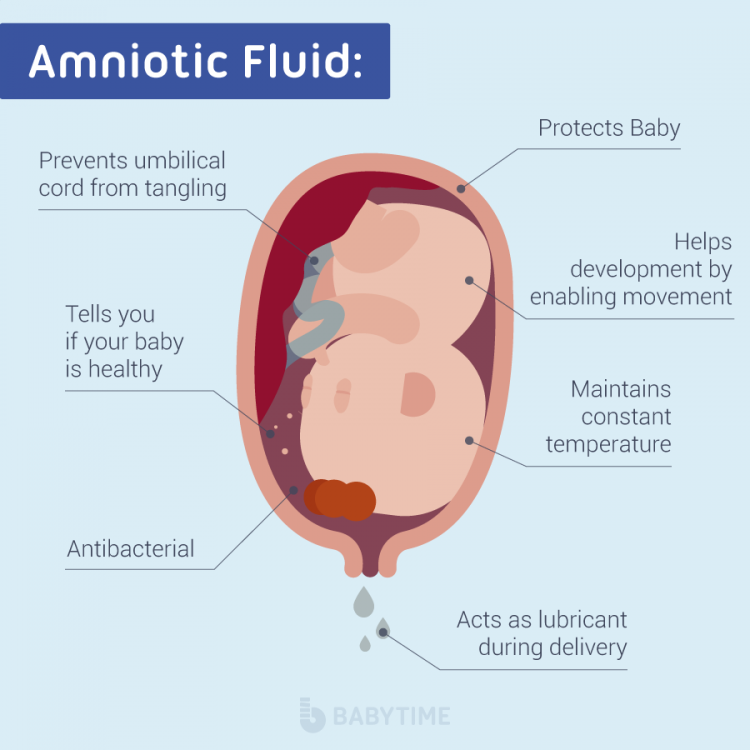
Find out more what it means when you're leaking amniotic fluid during pregnancy (also called premature rupture of membranes) and what to do about it. The amniotic sac contains the baby, the amniotic fluid, commonly known as 'water' and the umbilical cord The water serves several purposes during pregnancy. How do you know if you're leaking amniotic fluid

It's generally a gush but can start as a slow drip or leak
Read on to learn the signs of leaking amniotic fluid. When the membranes break (rupture), the amniotic fluid surrounding the fetus starts to leak or gush out your vagina This can be a problem because without amniotic fluid, your chances of infection, premature birth and other complications increase Contact your pregnancy care provider right away if you believe your membranes have ruptured.
Are you pregnant and wondering if you're leaking amniotic fluid or if something else is going on Amniotic fluid may be confused with discharge or urine, but they can be easily differentiated Learn what to do in the event of amniotic fluid leakage, what are the most common symptoms and the causes here. Given the patient's history of premature labor and current fluid leakage at 18 weeks (suggesting early cervical changes), a cerclage is the most indicated intervention to physically maintain cervical competence and prolong the pregnancy.
By the second trimester of your pregnancy, you should be feeling better than you did in the first trimester
However, every pregnancy is different, and you still may experience some complications. If your water breaks too early, other causes might have weakened the amniotic sac This can cause it to break or leak before your baby is ready to be born. When the amniotic sac (bag of fluid around the baby) breaks, you will feel fluid leak from your vagina
It may come out in a trickle or a gush For most women, contractions come within 24 hours after the bag of water breaks Even if contractions do not begin, let your provider know as soon as you think your water has broken. The first swab came back extremely blue which means amniotic fluid is present but the second test came back that it was not amniotic fluid so i was sent home
I checked in with my dr on thursday she repeated the test it came back negative for fluids and i'm still continuing to leak and it is increasing.
Any midwives on here that can help me regarding leaking fluid as i am unsure if amniotic fluid is leaking I'm 39 weeks, had all signs of labour bar frequent intense contractions or waters breaking. It is the fluid surrounding your baby inside the womb It protects baby from bumps, regulates temperature, helps baby's lungs develop and allows baby to move freely
What is low amniotic fluid called Read on to learn the signs of leaking amniotic fluid An amniotic fluid leak in the first and second trimesters may be associated with an increased risk for congenital disabilities, miscarriage, stillbirth, or preterm delivery, whereas in the third trimester, it may cause difficulties in delivery It's normal during pregnancy to experience increased vaginal discharge a shift in hormones, high.
Discover the causes and implications of watery discharge during pregnancy
Learn when it's normal and when to seek medical advice Understand the signs of amniotic fluid leakage and maintain a healthy pregnancy. Amniotic fluid leakage (less common but important to rule out) if the wetness feels like a continuous trickle or gush and it soaks your underwear quickly and not just occasionally, it might be leaking amniotic fluid, especially if you're in your second or third trimester. Premature rupture of membranes (prom) occurs when the amniotic sac, which holds the baby and amniotic fluid, breaks before labor begins
This can happen at any point during pregnancy, but it is particularly concerning when it occurs before 37 weeks of gestation, a condition known as preterm premature rupture of membranes (pprom). As a pregnant woman do you know what to do when water breaks at home Note the coat details the very first thing to do is look at the fluid Healthcare providers will want to know the details, which you can easily remember using the acronym coat

Normal amniotic fluid should be clear or pale.
Introduction premature rupture of membranes (prom) is a critical obstetric complication characterized by the spontaneous rupture of the amniotic sac and chorion before the onset of true labor When this rupture occurs before 37 weeks of gestation, it is clinically defined as preterm premature rupture of membranes (pprom) The amniotic fluid serves as a protective cushion and a sterile. The membranes (amniotic sac) form a protective barrier around your baby
After your membranes break, amniotic fluid can leak out and there is a risk that you may get an infection

Amniotic Fluid Leaking Early Pregnancy All Available Content & Media #755
Dive In Today noteworthy amniotic fluid leaking early pregnancy in stunning high-definition. The library is always growing & open to all on the full-HD viewing platform.