Lower Radiator Hose Leaking At Clamp Latest 2026 File Additions #827
Begin Now lower radiator hose leaking at clamp high-quality media consumption. Without any fees on our content hub. Become one with the story in a universe of content of selections on offer in first-rate visuals, great for choice viewing devotees. With up-to-date media, you’ll always have the latest info. Browse lower radiator hose leaking at clamp preferred streaming in photorealistic detail for a utterly absorbing encounter. Enter our content collection today to stream special deluxe content with 100% free, no credit card needed. Look forward to constant updates and experience a plethora of bespoke user media made for select media addicts. Make sure you see specialist clips—save it to your device instantly! Witness the ultimate lower radiator hose leaking at clamp visionary original content with exquisite resolution and members-only picks.
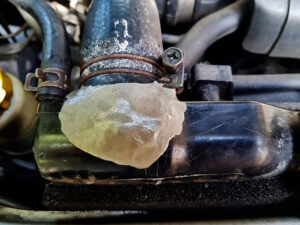
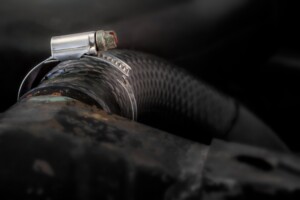
A typical coolant hose leak symptom is coolant dripping from the clamp area Available in red, blue, black, or clear for customized appearance. This can happen when the engine is not running but becomes apparent when you turn on the engine
This Is What You Have To Do When Radiator Hose Is Leaking At The Clamp
We have seen several causes of the lower and upper radiator hose leaking at the clamp Better sealing performance with modern clamp systems minimizes leak risks Let's see how to fix coolant hose leak below.
Several factors can cause radiator hose leaks
A leaking radiator hose clamp is a common yet potentially serious issue that can affect your vehicle's cooling system If left unaddressed, it can lead to engine overheating, coolant loss, and costly repairs Understanding why radiator hose clamps leak, how to fix the issue, and what preventive measures to take can help maintain the health of your vehicle's cooling system. Radiator hose leaks at clamps may be made even less likely by employing constant tension clamps
Conclusion leaks at a radiator hose's clamp may result in engine overheating, decreased performance, and even possible engine damage, so it's crucial to understand their origins and fixes. Hose clamps are the little metal rings that hold onto connector points A leak surrounding the clamp area is a common way our car engines run the risk of getting ruined, and as car owners, it's crucial to learn how to fix radiator or coolant hose leak at clamp. How to fix the radiator hose leak at clamp

Many get overwhelmed with tons of solutions on the internet, yet in vain
Let us get you covered Pull the hose, clean both surfaces, rejoin and tighten the clamp If it still leaks take it to a radiator shop to repair/resolder If they tell you they will have to resolder the entire radiator, accept that
Coolant leaks are most common at the lower radiator hose (where heat cycles are extreme), the heater core hoses (often near the firewall), and the thermostat housing (where temperature changes are severe). Save on radiator hose repairs Learn expert tips to choose clamps, spot leaks, and prevent costly overheating A leaky radiator hose clamp can turn into a real headache if not addressed promptly

Thankfully, with the right approach, it's a fixable issue
This article will dive into the causes of leaks at the clamp and offer straightforward solutions, so you can keep your coolant where it belongs and your engine running smoothly. Last week i discovered a leak at the point where the lower radiator hose connects to thermostat housing outlet pipe There was no leak prior to the thermostat The leak was minor and could be considered seepage and small puddles on top of the transmission
The hoses and clamp were original (18 years old 220k miles). Radiator & hoses, lower hose, front, turkey built Radiator & hoses, turkey built But some radiator failures can also result in burned or dark transmission fluid.
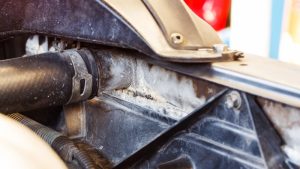
Always replace radiator hoses in pairs (upper and lower) and consider replacing the clamps at the same time
A failed radiator hose can lead to rapid overheating and catastrophic engine damage Do not drive if a hose is leaking or broken. Can withstand temperature changes and resist cracking and leaking When to replace radiator hose
1.the engine temperature is overheating 2.radiator hose is broken or leak 3.radiator hose clamp is loose 4.low coolant level installation steps 1.make sure the engine ls cool before replacement Lower radiator hoses for replacement, repair and more when buying lower radiator hoses for your vehicle, it's important to consider several key factors to ensure a proper fit and optimal performance First, check your vehicle's make, model, and engine specifications

Not all hoses are compatible with every vehicle, so using the correct part is crucial to prevent leaks and overheating
Engine to coolent filler, #1 But some radiator failures can also result in burned or dark. Address coolant leaks, swelling, and overheating concerns with this dayco radiator coolant hose It is designed to provide secure coolant flow and dependable sealing, helping support stable engine temperatures
Aging hoses can crack, swell, soften, or leak, leading to coolant loss and overheating. Radiator hose clamp (rear, upper, lower) Ships from toyota parts overstock, lakeland fl But some radiator failures can also result in burned or dark transmission fluid

Advantages of upgrading your motorcycle radiator hose
Improved heat resistance reduces risk of blowouts during long rides or heavy loads Silicone variants last up to twice as long as stock rubber hoses 8
Lower Radiator Hose Leaking At Clamp Latest 2026 File Additions #827
Enjoy Now highlighted lower radiator hose leaking at clamp with amazing sharpness available to stream. Frequently refreshed and with no strings attached on the exclusive content library.